Write about your approach to budgeting.
My Approach to Budgeting: A Simple and Effective Strategy
Budgeting is more than just tracking expenses; it’s about creating a financial roadmap that ensures stability, growth, and peace of mind. My approach to budgeting is structured yet flexible, allowing me to balance necessities, savings, and personal goals. Here’s how I do it:
1. Setting Clear Financial Goals
Before creating a budget, I define my financial goals. Whether it’s saving for a home, an emergency fund, or a vacation, having a clear target helps me allocate my income wisely. Short-term goals (like monthly savings) and long-term goals (like retirement funds) guide my spending decisions.

2. Categorizing Income and Expenses
I use a simple method to divide my income:
50% for Necessities – Rent/mortgage, groceries, utilities, transportation, and essential bills.
30% for Wants – Entertainment, dining out, shopping, and hobbies.
20% for Savings and Investments – Emergency funds, retirement accounts, and investments.
This structure, inspired by the 50/30/20 rule, ensures that I cover my needs while saving for the future.

3. Using Digital and Manual Tracking Methods
I combine both digital and manual methods to track my finances:
Budgeting Apps – I use apps like Mint or YNAB for automated tracking and visualizing spending habits.
Spreadsheets – A simple Excel or Google Sheets file helps me manually track income and expenses.
Notebook Planning – Writing things down reinforces my commitment and keeps me mindful of my budget.
4. Adjusting for Life Changes
A rigid budget can be difficult to maintain, so I allow flexibility. If unexpected expenses arise, I reassess my budget and adjust accordingly. Regular reviews help me stay on track while adapting to changes in income or priorities.
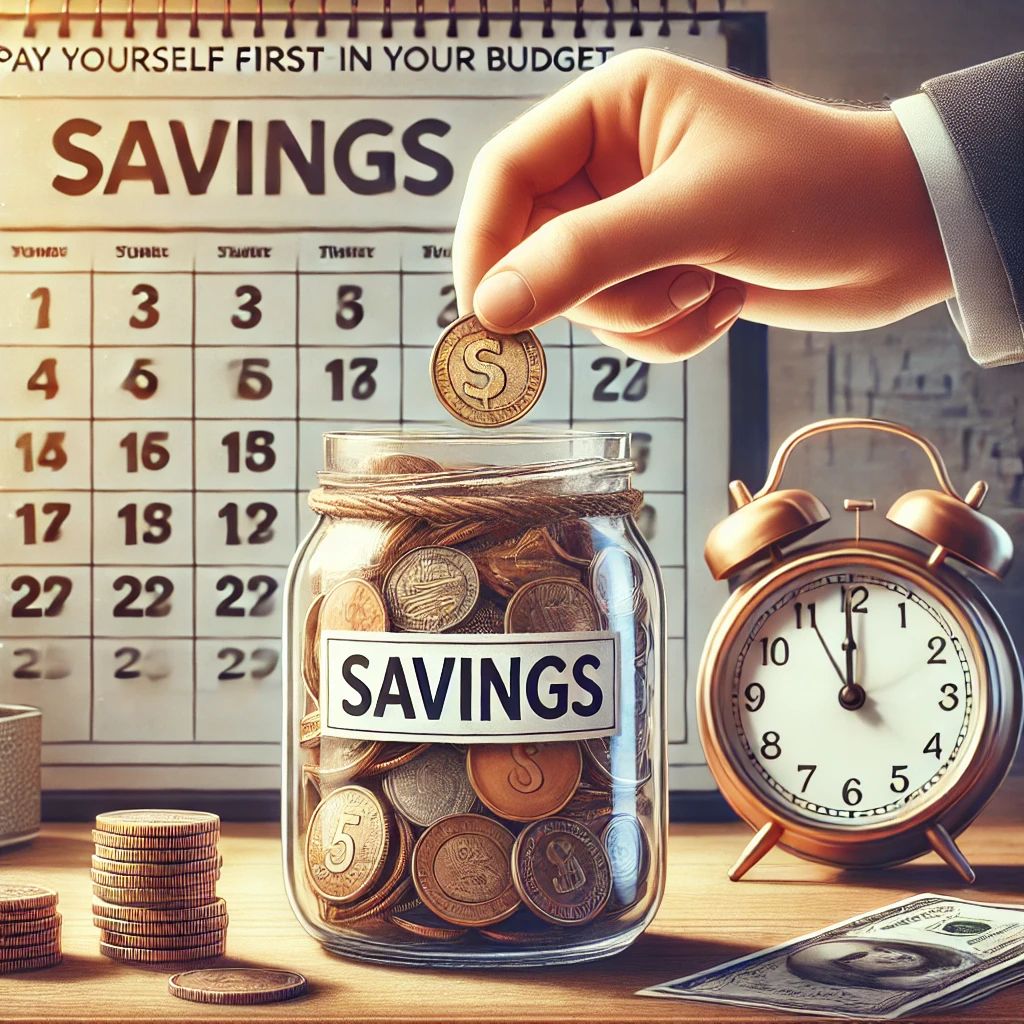
5. Prioritizing Savings First
One of my core budgeting principles is “Pay Yourself First.” Instead of saving what’s left after spending, I allocate a portion of my income to savings before anything else. Automating transfers to my savings account ensures consistency.
6. Reducing Unnecessary Expenses
I periodically review my expenses to identify areas where I can cut back. This includes:
Canceling unused subscriptions.
Cooking at home instead of eating out frequently.
Comparing prices and finding discounts on essential purchases.
7. Planning for Emergencies
Life is unpredictable, so having an emergency fund is crucial. I aim to save at least 3-6 months’ worth of expenses to handle unexpected situations like medical emergencies, job loss, or car repairs.
Conclusion
Budgeting doesn’t have to be restrictive—it’s a tool for financial freedom. By setting clear goals, tracking expenses, prioritizing savings, and staying flexible, I maintain financial stability while enjoying life. Whether you’re just starting or looking to improve your budgeting strategy, the key is consistency and awareness.
 Healthy wealthy life
Leave a comment