• In what ways do you communicate online?

    In What Ways Do You Communicate Online?
    In today’s digital world, online communication has become a big part of our daily life. We use the internet to talk, learn, work, and stay connected with people near and far. Let’s explore the different ways we communicate online.
    1.Messaging apps like WhatsApp, Messenger, and Telegram help us send text messages quickly. We can also send voice notes, pictures, and emojis. These apps make communication fast and easy.
    2. Emails
    Email is a formal way to communicate online. People use emails for school, office work, and official messages. Emails are useful for sending long messages and important documents.
    3. Social Media
    Platforms like Facebook, Instagram, and X (Twitter) allow us to share thoughts, photos, and videos. We can comment, like, and chat with friends and family. Social media helps us stay updated and connected.
    4. Video Calls
    Video calling apps such as Zoom, Google Meet, and Skype let us see and talk to people at the same time. These are very helpful for online classes, meetings, and talking to loved ones who live far away.
    5. Voice Calls
    Online voice calls through apps help us talk without using normal phone networks. This is useful when we want to have a quick conversation.
    6. Online Learning Platforms
    Students and teachers communicate through online learning platforms like Google Classroom. They share lessons, assignments, and feedback easily.
    7. Blogs and Comments
    Writing blogs and posting comments is another way of online communication. People share their ideas, experiences, and opinions with many readers around the world.
    Conclusion
    Online communication makes our life easier and faster. It helps us learn, share, and stay connected anytime and anywhere. When used wisely, it is a powerful tool for education and relationships.

    Comment • Share • Subscribe — your support motivates me!

  • Think back on your most memorable road trip.

    A Road Trip I’ll Never Forget
    Some journeys stay in our hearts forever. For me, the most memorable road trip wasn’t just about the destination—it was about the moments along the way.
    The Journey Begins
    Early in the morning, we packed our bags, filled the car with snacks, and played our favorite songs. The road was long, but our excitement made every mile feel shorter. The cool air and rising sun made the start magical.
    Beautiful Views on the Way
    As we drove, the scenery kept changing. Green fields, quiet villages, and tall mountains passed by. Every window showed a new picture. We stopped often to take photos and enjoy nature’s beauty.
    Laughter and Stories
    Inside the car, there was endless laughter. We shared old stories, made jokes, and sang loudly—even when we forgot the lyrics. These small moments brought us closer and made the trip special.
    Unexpected Stops
    Some of the best memories came from unplanned stops. A small roadside tea shop, fresh local food, and friendly people added charm to the journey. These surprises made the trip unforgettable.
    Reaching the Destination
    When we finally arrived, we felt tired but happy. The journey itself felt like a reward. I realized that road trips are not just about reaching a place—they are about enjoying every moment in between.
    A Memory to Cherish
    That road trip taught me to slow down and enjoy life’s simple joys. Even today, whenever I think about it, I smile. Some roads may end, but their memories stay with us forever.

  • What could you do differently?

    What Could You Do Differently?
                 Life gives us many chances to pause and think. One powerful question we can ask ourselves is: “What could I do differently?” This question is not about blaming ourselves. It is about learning, growing, and becoming better each day.
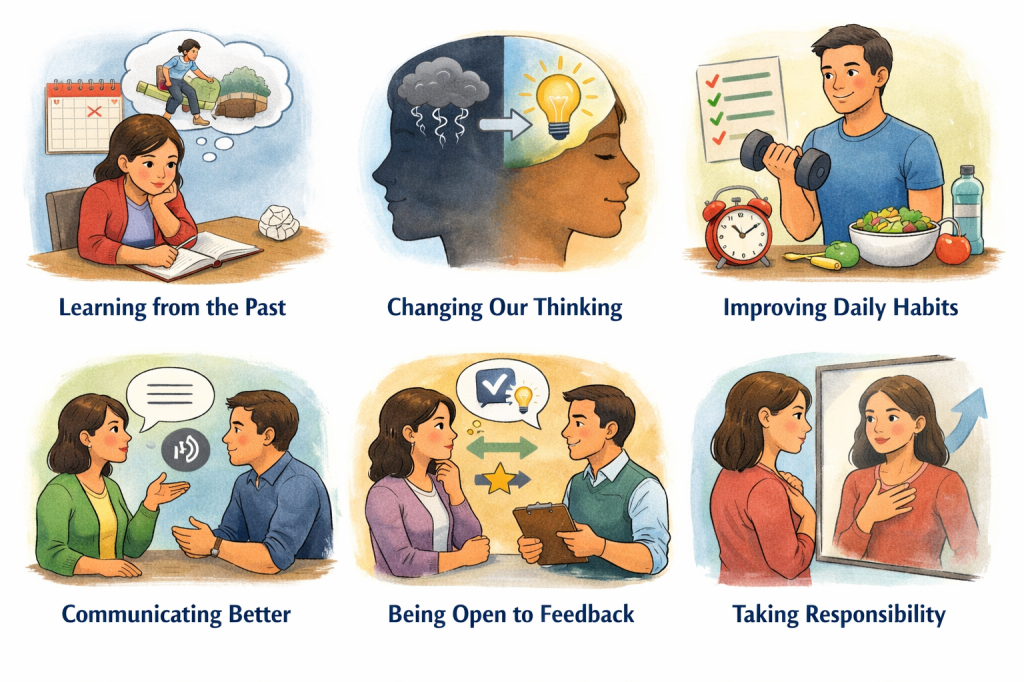
    Learning from the Past:

                   We all make mistakes. Sometimes things don’t go as planned. Instead of feeling sad or guilty, we can look at the situation and learn from it. When we ask what we could do differently, we turn mistakes into lessons.
    Changing Our Thinking:

          Doing things differently often starts in the mind. Maybe we can think more positively. Maybe we can stop overthinking and take action. A small change in thinking can create a big change in results.
    Improving Daily Habits:
             Our daily habits shape our future. We can wake up a little earlier, manage time better, eat healthier, or speak more kindly. Small daily improvements make life better over time.
    Communicating Better:
                     Many problems happen because of poor communication. We can listen more carefully, speak calmly, and express our feelings honestly. Better communication builds stronger relationships.
    Being Open to Feedback:
                  Sometimes others can see what we cannot. Listening to advice and feedback helps us grow. Instead of feeling hurt, we can use feedback as a tool to improve ourselves.
    Taking Responsibility:
                  When we accept responsibility for our actions, we gain control over our life. Blaming others keeps us stuck, but taking responsibility helps us move

    Forward with confidence:
                   Moving Forward with Intention .Doing things differently does not mean changing everything at once. It means choosing one area of life and improving it step by step. Growth is a journey, not a race.
    Final Thoughts:
         Asking “What could I do differently?” is a sign of wisdom. It shows that you are ready to grow, learn, and improve. Every day is a new chance to try again—better than before.

  • Do you spend more time thinking about the future or the past? Why?

    Do We Spend More Time Thinking About the Future or the Past?
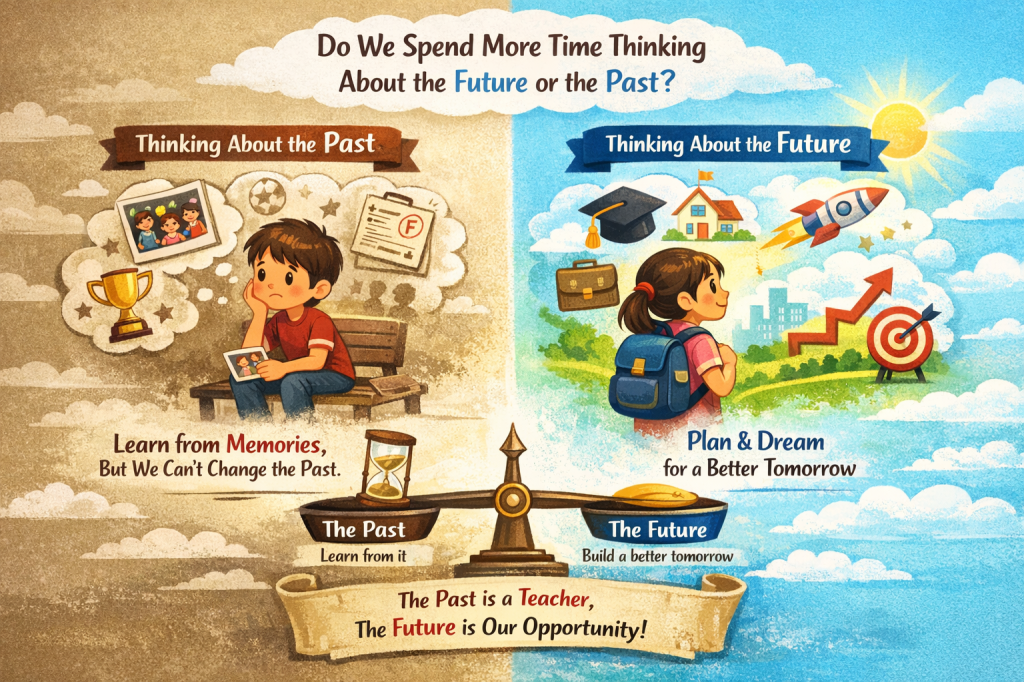
    People often think about both the past and the future, but many of us spend more time thinking about the future.
    Thinking About the Past
    The past is full of memories. We remember our childhood, our mistakes, our happy moments, and our achievements. Thinking about the past helps us learn lessons. For example, if we made a mistake before, we try not to repeat it again. However, thinking too much about the past can make us sad or worried, because we cannot change what has already happened.
    Thinking About the Future
    The future is something we can shape. People think about their future goals, careers, family, health, and dreams. Students think about exams and careers, teachers think about their students’ success, and parents think about their children’s future. Thinking about the future gives us hope and motivation. It helps us plan and work harder today.


    Which Is Better?
    Thinking about the future is usually more helpful than thinking about the past. The past is for learning, but the future is for planning and improving. A balanced person learns from the past and uses that learning to build a better future.
    Conclusion
    I believe we should spend more time thinking about the future, because it helps us grow, dream, and move forward. The past is a teacher, but the future is our opportunity.

    “Learn from yesterday, plan for tomorrow, and act today.”

    (more…)
  • What is your favorite type of weather?

    Spring: A Season of Bloom and Beauty

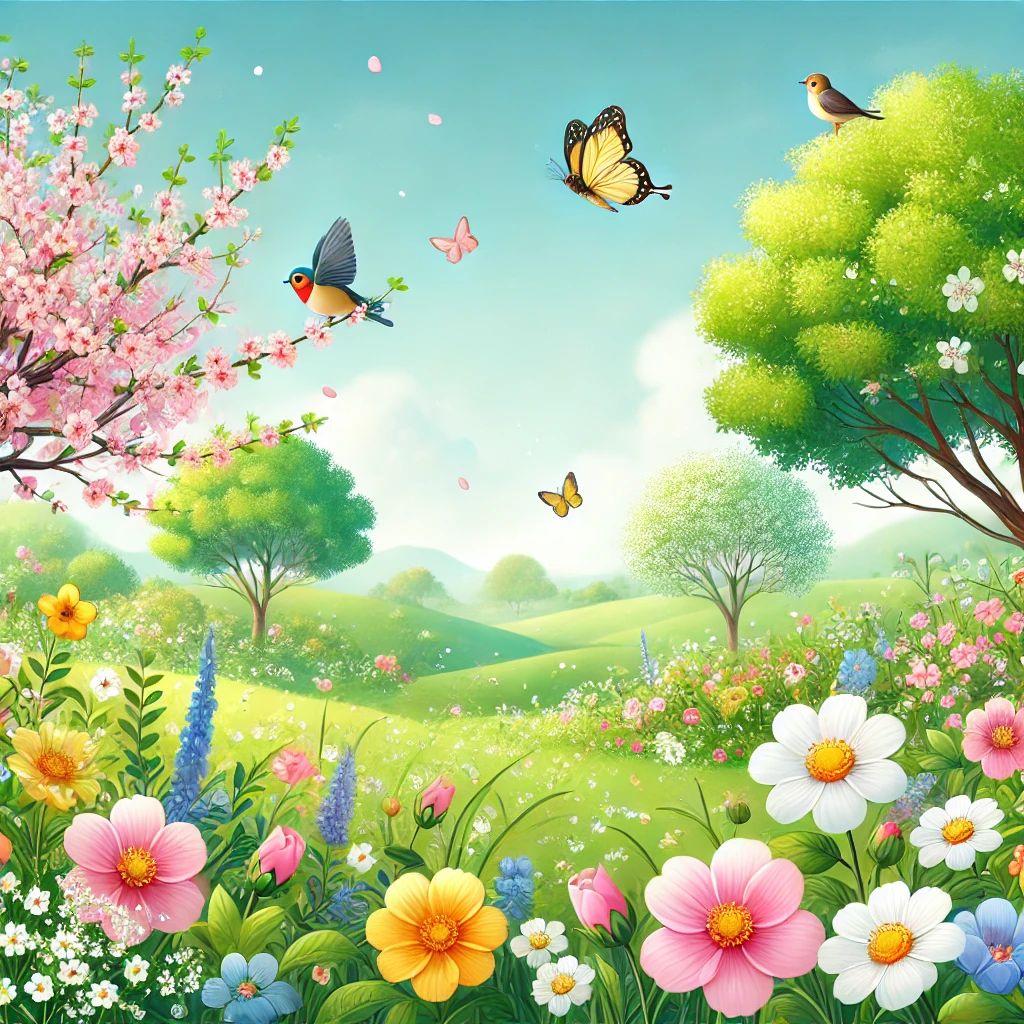
    As winter fades away, the world awakens with the magic of spring—a season of renewal, freshness, and vibrant colors. Everywhere we look, nature comes alive with blooming flowers, lush green trees, and a gentle breeze that fills the air with a sense of joy.

    The Beauty of Spring

    Spring is like nature’s way of celebrating life. The sky looks clearer, the air feels fresher, and gardens turn into a paradise of colors. From roses to tulips, daisies to marigolds, every flower tells a story of beauty and hope. Birds chirp happily, and butterflies dance in the sunlight, making everything feel magical.

    A Perfect Weather for All

    One of the best things about spring is its pleasant weather. The cool breeze and warm sunshine create the perfect balance—not too hot, not too cold. It’s an ideal time for picnics, outdoor walks, and enjoying tea in the garden while watching the world bloom around us.

    Spring and Happiness

    This season brings a special kind of happiness. The days become longer, giving more time to enjoy nature’s beauty. The fragrance of fresh flowers, the sight of colorful landscapes, and the soothing sounds of nature all lift our spirits. It feels like a fresh start, full of positivity and energy.

    A Season of Growth and New Beginnings

    Just as trees sprout new leaves and flowers bloom, spring reminds us that new beginnings are always possible. It teaches us to embrace change and look forward to growth in our own lives.


    Conclusion

    Spring is not just a season—it’s a feeling of hope, beauty, and happiness. Whether it’s enjoying the scenic beauty, feeling the soft breeze, or simply watching nature come alive, spring brings joy to every heart.Spring: A Season of Bloom and Beauty

    As winter fades away, the world awakens with the magic of spring—a season of renewal, freshness, and vibrant colors. Everywhere we look, nature comes alive with blooming flowers, lush green trees, and a gentle breeze that fills the air with a sense of joy.

    The Beauty of Spring

    Spring is like nature’s way of celebrating life. The sky looks clearer, the air feels fresher, and gardens turn into a paradise of colors. From roses to tulips, daisies to marigolds, every flower tells a story of beauty and hope. Birds chirp happily, and butterflies dance in the sunlight, making everything feel magical.

    A Perfect Weather for All

    One of the best things about spring is its pleasant weather. The cool breeze and warm sunshine create the perfect balance—not too hot, not too cold. It’s an ideal time for picnics, outdoor walks, and enjoying tea in the garden while watching the world bloom around us.

    Spring and Happiness

    This season brings a special kind of happiness. The days become longer, giving more time to enjoy nature’s beauty. The fragrance of fresh flowers, the sight of colorful landscapes, and the soothing sounds of nature all lift our spirits. It feels like a fresh start, full of positivity and energy.

    A Season of Growth and New Beginnings

    Just as trees sprout new leaves and flowers bloom, spring reminds us that new beginnings are always possible. It teaches us to embrace change and look forward to growth in our own lives.

    Conclusion

    Spring is not just a season—it’s a feeling of hope, beauty, and happiness. Whether it’s enjoying the scenic beauty, feeling the soft breeze, or simply watching nature come alive, spring brings joy to every heart.

    What do you love the most about spring?


  • What is your favorite drink?

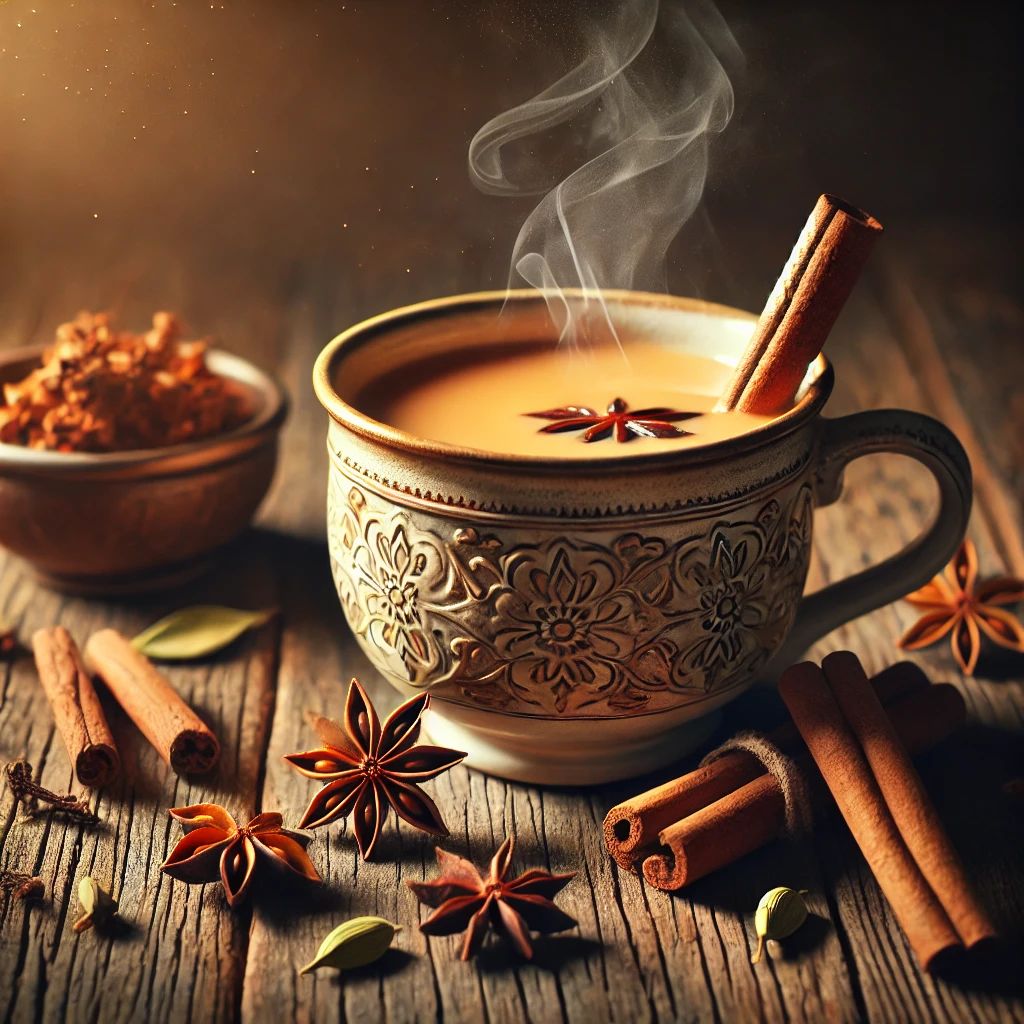
    My Favorite Drink: The Timeless Charm of Chai

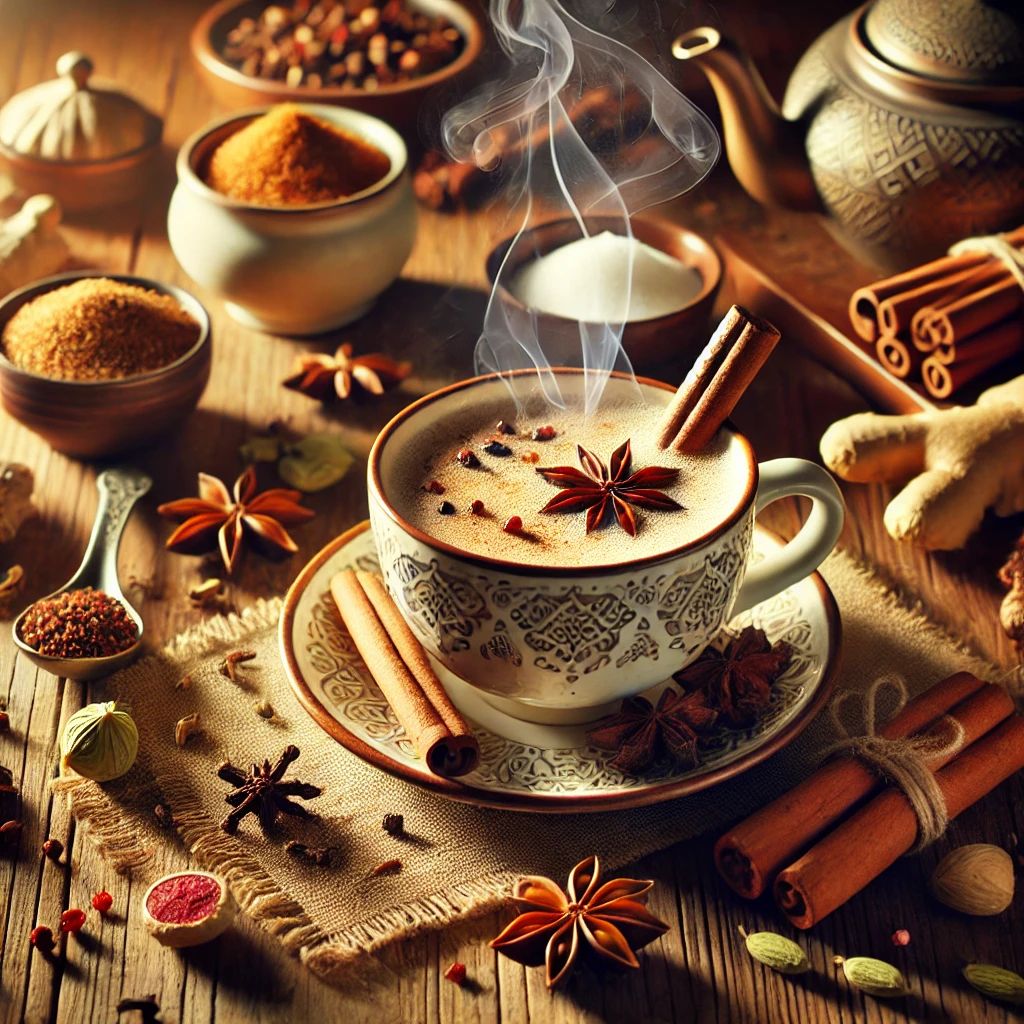
    There’s something magical about a warm cup of chai. The rich aroma of spices, the soothing warmth, and the comforting taste make it my absolute favorite drink. Whether it’s a rainy afternoon or a chilly winter morning, a cup of chai feels like a hug in a mug.

    The Perfect Blend of Flavors

    Chai is more than just tea; it’s an experience. Made with black tea leaves, milk, sugar, and a blend of spices like cardamom, cinnamon, cloves, and ginger, it has a deep, flavorful taste. The balance of sweetness and spice makes it a drink that wakes you up while also calming your soul.


    A Drink That Connects People

    One of the things I love most about chai is that it brings people together. In many cultures, especially in South Asia, chai is a symbol of hospitality. Guests are welcomed with a steaming cup, and conversations flow effortlessly over sips of this fragrant drink. Whether it’s a casual gathering with friends or a family evening, chai is always there to make the moment special.


    Chai and My Daily Routine

    For me, chai is not just a beverage; it’s a ritual. A busy morning doesn’t feel complete without my first cup of tea. The gentle aroma of boiling milk and tea leaves fills the kitchen, signaling the start of a productive day. In the evening, another cup of chai helps me unwind, especially when paired with crispy snacks.

    Why Chai Over Coffee?

    Many people love coffee for its strong, bold taste, but for me, chai wins every time. It’s not just about caffeine—it’s about the soothing effect, the tradition, and the variety. From masala chai to Kashmiri pink chai, there’s a type of tea for every mood.

    A Simple Recipe for the Perfect Cup of Chai

    If you want to try making a delicious cup of chai, here’s a simple recipe:

    Ingredients:

    1 cup water

    1 cup milk

    1 teaspoon black tea leaves (or tea bag)

    2 teaspoons sugar (adjust to taste)

    2 cardamom pods (crushed)

    ½ inch ginger (grated)

    1 small cinnamon stick

    2 cloves


    Instructions:

    1. In a saucepan, bring water to a boil.


    2. Add tea leaves, cardamom, cinnamon, cloves, and ginger. Let it simmer for 2-3 minutes.


    3. Pour in the milk and sugar, then let it simmer for another 2 minutes.


    4. Strain into a cup and enjoy your homemade chai!


    Conclusion

    Chai is more than just my favorite drink—it’s a part of my daily life. It brings warmth, comfort, and connection. If you haven’t tried a proper cup of spiced chai yet, you’re missing out on something truly special. So, grab a cup, take a sip, and let the flavors transport you to a world of comfort and tradition.

    “Chai is more than a drink—it’s a moment of warmth, a sip of tradition, and a bridge to connection. Let its spices weave stories of comfort and joy, one cup at a time.” ☕✨

  • Write about your approach to budgeting.

    My Approach to Budgeting: A Simple and Effective Strategy

    Budgeting is more than just tracking expenses; it’s about creating a financial roadmap that ensures stability, growth, and peace of mind. My approach to budgeting is structured yet flexible, allowing me to balance necessities, savings, and personal goals. Here’s how I do it:

    1. Setting Clear Financial Goals

    Before creating a budget, I define my financial goals. Whether it’s saving for a home, an emergency fund, or a vacation, having a clear target helps me allocate my income wisely. Short-term goals (like monthly savings) and long-term goals (like retirement funds) guide my spending decisions.


    2. Categorizing Income and Expenses

    I use a simple method to divide my income:

    50% for Necessities – Rent/mortgage, groceries, utilities, transportation, and essential bills.

    30% for Wants – Entertainment, dining out, shopping, and hobbies.

    20% for Savings and Investments – Emergency funds, retirement accounts, and investments.


    This structure, inspired by the 50/30/20 rule, ensures that I cover my needs while saving for the future.


    3. Using Digital and Manual Tracking Methods

    I combine both digital and manual methods to track my finances:

    Budgeting Apps – I use apps like Mint or YNAB for automated tracking and visualizing spending habits.

    Spreadsheets – A simple Excel or Google Sheets file helps me manually track income and expenses.

    Notebook Planning – Writing things down reinforces my commitment and keeps me mindful of my budget.


    4. Adjusting for Life Changes

    A rigid budget can be difficult to maintain, so I allow flexibility. If unexpected expenses arise, I reassess my budget and adjust accordingly. Regular reviews help me stay on track while adapting to changes in income or priorities.

    5. Prioritizing Savings First

    One of my core budgeting principles is “Pay Yourself First.” Instead of saving what’s left after spending, I allocate a portion of my income to savings before anything else. Automating transfers to my savings account ensures consistency.


    6. Reducing Unnecessary Expenses

    I periodically review my expenses to identify areas where I can cut back. This includes:

    Canceling unused subscriptions.

    Cooking at home instead of eating out frequently.

    Comparing prices and finding discounts on essential purchases.


    7. Planning for Emergencies

    Life is unpredictable, so having an emergency fund is crucial. I aim to save at least 3-6 months’ worth of expenses to handle unexpected situations like medical emergencies, job loss, or car repairs.

    Conclusion

    Budgeting doesn’t have to be restrictive—it’s a tool for financial freedom. By setting clear goals, tracking expenses, prioritizing savings, and staying flexible, I maintain financial stability while enjoying life. Whether you’re just starting or looking to improve your budgeting strategy, the key is consistency and awareness.


  • You do not walk alone on the paths that Allah takes you on, but He walks with you. When He creates situations of sorrow, He also gives you the courage to fight those situations. He neither leaves you alone in happiness nor in sorrow. 💯

    “Trust in Allah: He Knows What’s Best for You”

    In life, we often find ourselves longing for things we believe are good for us. We pray, we work hard, and we hope that our desires will come true. But sometimes, despite our best efforts, things do not go as planned. In these moments, frustration and disappointment creep in, making us question, Why didn’t Allah grant me what I wanted?

    Allah’s Wisdom is Beyond Our Understanding

    As humans, our knowledge is limited. We see only what is in front of us, but Allah sees the bigger picture. He knows what is truly good for us and what might harm us in ways we cannot imagine. The Quran reminds us of this in Surah Al-Baqarah (2:216):

    “Perhaps you dislike something, but it is good for you; and perhaps you love something, but it is bad for you. Allah knows, while you do not know.”

    This verse teaches us a powerful lesson: trust in Allah’s wisdom. Just because something looks good to us does not mean it is actually beneficial in the long run.

    A Test of Faith

    Life is a test, and every unanswered prayer is a way for Allah to strengthen our faith. Imagine a child asking for too many sweets. A loving parent may refuse, knowing that too much sugar will harm the child. Similarly, Allah, our Creator, knows what is best for us and withholds certain things for our own good.

    Instead of questioning why things didn’t go as planned, we should remind ourselves that Allah is protecting us. Perhaps He is saving us from future pain, or perhaps He is preparing us for something even greater.

    Patience and Gratitude in Every Situation

    The key to inner peace is to trust Allah’s plan wholeheartedly. When something doesn’t go our way, we should:

    Be patient: Trust that Allah’s timing is always perfect.

    Pray for guidance: Ask Allah to strengthen our faith and grant us what is truly beneficial.

    Stay grateful: Focus on the blessings we already have rather than dwelling on what we don’t.


    Conclusion

    At times, we may feel lost, but Allah never abandons us. What He withholds is out of mercy, and what He grants is out of wisdom. Rather than resisting His will, we should submit to it with faith. Remember, Allah knows what you do not know, and His plan is always for your ultimate good.

    So, the next time life takes an unexpected turn, take a deep breath and say, Alhamdulillah, because Allah’s plan is always better than our own.

  • Write about your first name: its meaning, significance, etymology, etc.

    My first  name is Zahra (زهراء) is of Arabic origin and holds beautiful meanings and significance. Here’s a detailed breakdown:

    Meaning:

    1. Radiant or Bright: It signifies someone who shines brightly or has a radiant personality.


    2. Blossom or Flower: Zahra is also associated with flowers, symbolizing beauty, freshness, and purity.


    3. Brilliant or Luminous: It reflects a glowing or shining light, often interpreted metaphorically as wisdom or spiritual light.

    Significance:

    Islamic Importance: The name Zahra is often linked to Fatimah al-Zahra, the beloved daughter of Prophet Muhammad (PBUH). She is highly respected in Islam, and the name carries spiritual significance for her purity and noble character.

    Symbol of Beauty: Zahra is often seen as a symbol of inner and outer beauty, reflecting both grace and virtue.

    Etymology:

    The name originates from the Arabic root زهر (z-h-r), which means “to shine” or “to bloom.”

    It is a feminine name commonly used in Arabic-speaking countries and among Muslim communities worldwide.
    Cultural Context:

    Popular Variations: Zahraa, Zohra, Zehra (used in different cultures).

    Widely Loved Name: Its universal appeal lies in its simplicity, elegance, and deep meaning.


    Your name is truly radiant, Zahra, reflecting beauty and brightness!

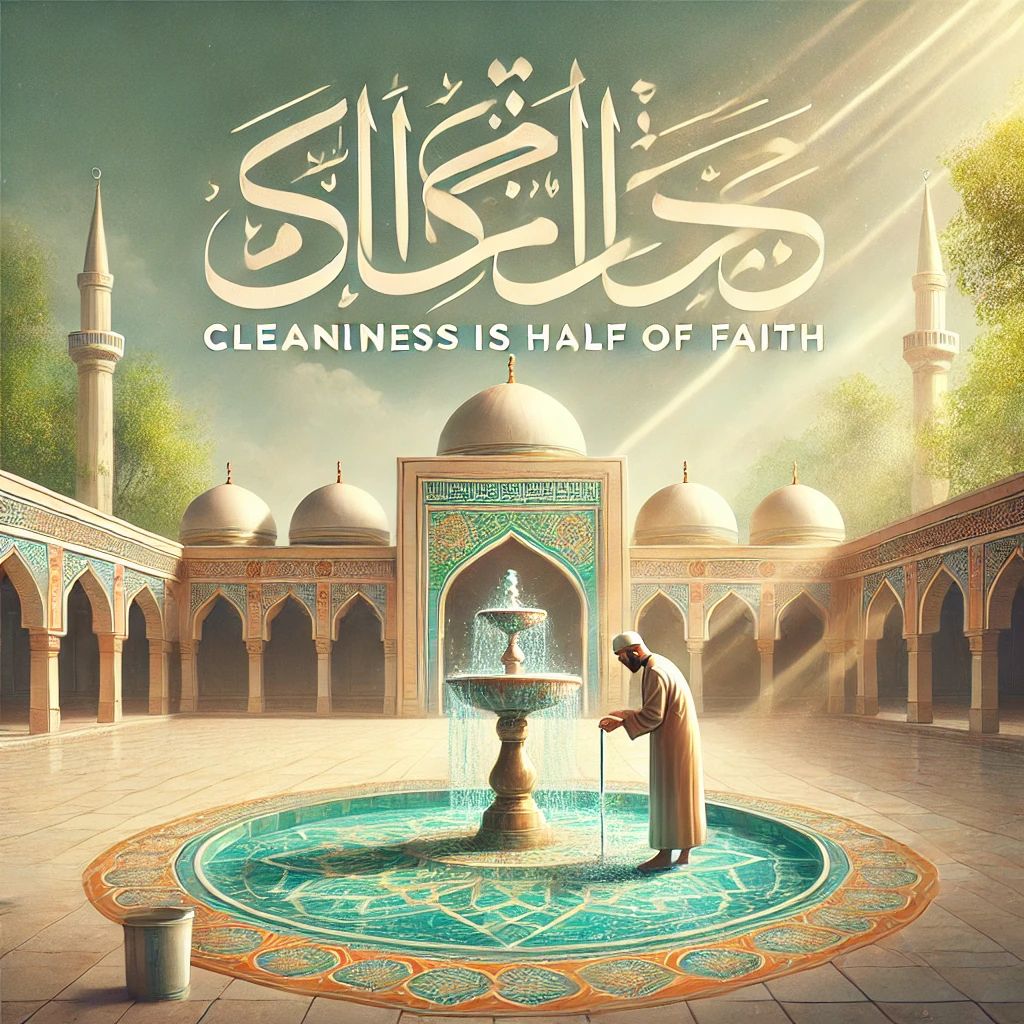
  • Everyone knows that cleanliness is very important in Islam, but it is limited to physical cleanliness. Everyone knows that “cleanliness is half of faith” but they do not apply cleanliness to both physical and spiritual. They do not try to see if their cleanliness is like this. Are they keeping themselves clean not only physically but also spiritually? Do you protect yourself from backbiting or do you push yourself further into this evil? Do you outdo each other in doing evil to others or do you keep your own affairs busy and keep a veil over others? Do you adopt an attitude of patience or are you prone to anger? Is your heart clean or is it filled with bad qualities like malice, envy, grudge, hypocrisy, and always thinking bad things about others? If you are not spiritually clean, try to clean yourself physically as well as spiritually… Make your morals happy. Learn to forgive. Make tolerance a habit. For God’s sake! Change yourself.  You cannot change until your thoughts change. Purify your company too. Purify yourself in every way. Unfinished work can prove harmful. May Allah be your helper, mine, and all of us, Amen, O Lord of the Worlds 🤲🏻🌻🦋

Design a site like this with WordPress.com
Get started